
How to Identify a 1975 Penny with No Mint Mark Correctly
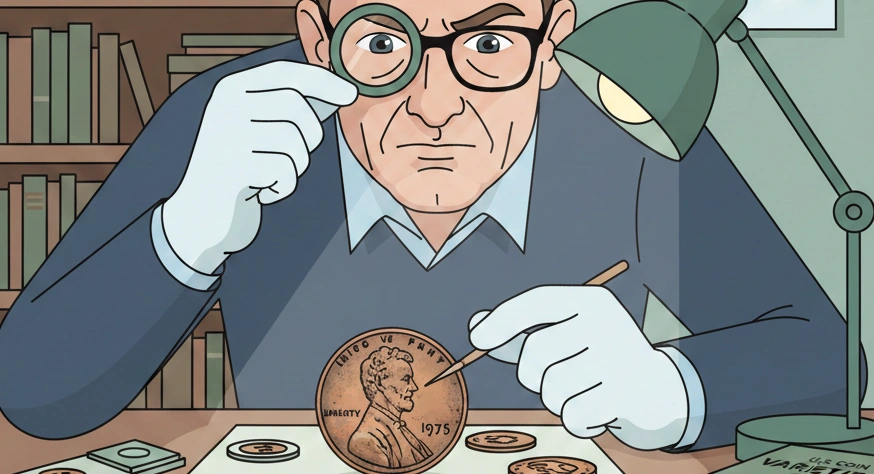
Correct identification of a 1975 penny no mint mark requires understanding the U.S. coin marking system used in the mid-1970s.
The absence of a letter under the date on the obverse is a standard characteristic of products originating from the main Philadelphia Mint.
Excluding the possibility of mechanical mark removal is necessary for accurately determining the coin's origin through studying technical parameters.
Coins struck in Philadelphia in 1975 comply with uniform state standards for weight and composition.
The use of copper as the main component determines physical properties allowing for the distinction of originals from counterfeits or later issues.
Parameter | Technical Value |
Minting Facility | Philadelphia Mint |
Mint Mark | None (No Mint Mark) |
Alloy Composition | 95% copper, 5% zinc and tin |
Standard Weight | 3.11 grams (allowable deviation of 0.13 g) |
Planchet Diameter | 19.05 mm |
A weight indicator of 3.11 grams is a critical factor during identification.
Specimens weighing approximately 2.5 grams belong to the period after 1982 and cannot be authentic 1975 coins.
Mint Marking System in 1975
In 1975, mintage distribution among production facilities was carried out according to established quotas.
Each branch of the U.S. Mint used a specific system of designations located under the date digits.
Philadelphia: Marking is absent; a blank field under the date confirms origin from this institution.
Denver: The letter "D" is used; the presence of this letter indicates origin from the Colorado facility.
San Francisco: The letter "S" is used; coins of this type in 1975 were produced primarily as Proofs for collectible sets.
The absence of a mark on a 1975 coin is not a mint error or a rare defect.
It is the standard state for more than three billion coins issued in Philadelphia during the specified period.
Mintage Statistical Data
The production volume in Philadelphia in 1975 ensured a massive presence of coins without a mint mark in the circulating supply.
The high distribution density of these coins makes them available for detailed study without significant financial costs.
Total Philadelphia Mintage (1975): 3,450,110,000 pieces.
Share of Total Annual Issue: Approximately 43.6%.
The scale of production causes the low market value of most specimens not possessing an exceptional degree of preservation.
Only a fraction of a percent of this mintage escaping active circulation represents numismatic value.
Methodology for Visual Obverse Inspection
Investigating the area under the date "1975" using magnifying instruments is necessary for correct identification.
Detecting signs of interference allows for distinguishing authentic Philadelphia coins from modified Denver coins.
Field Examination: Checking the metal texture directly under the digits "9" and "7."
Searching for Removal Signs: Identifying scratches, indentations, or color changes indicating the cutting of the letter "D."
Patina Assessment: Verifying oxidation uniformity; fresh scratches in the mint mark area indicate recent modification.
Using a coin value app provides the necessary details for confirming the authenticity of the blank field.
Market Value and Auction Performance
The value of a 1975 cent without a mint mark directly correlates with the numerical grade according to the Sheldon scale.
Coins in "Circulated" condition are valued at face value or copper weight.
Grade (Condition) | Estimated Price (USD) | Annual Price Change Statistics |
MS63 RD | $0.25 | Stable |
MS65 RD | $2.00 | +1% |
MS66 RD | $20.00 | +3% |
MS67 RD | $150.00 | +5% |
MS68 RD | $8,000.00+ | +12% |
The record price for a 1975 coin without a mint mark is $9,000, recorded at a Heritage Auctions sale in 2018 for a specimen in MS68 RD grade.
Annual value growth for rare specimens in MS68 condition exceeds inflation rates, averaging 10-15% over the last five years.
Defects in Philadelphia Coins
Identification of 1975 coins without a mint mark also includes searching for specific errors characteristic of this mint.
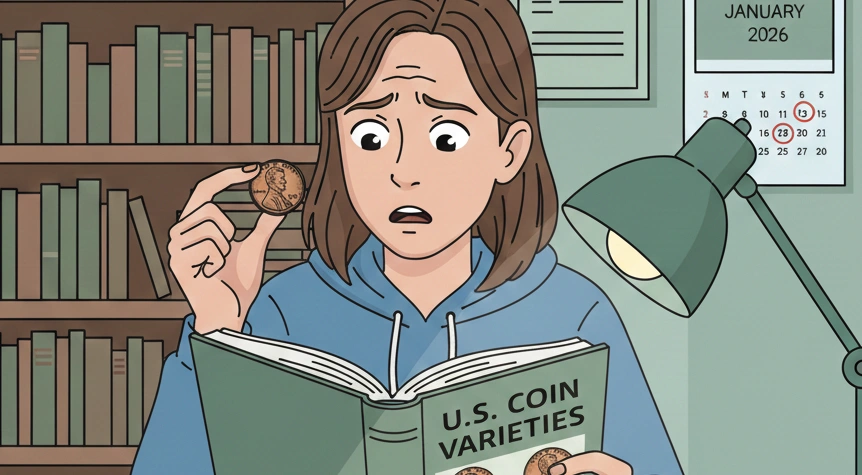
These deviations can significantly increase the value of an ordinary Philadelphia specimen.
Double Die Obverse (DDO): Doubling of image elements occurring due to an error in manufacturing the working die.
Die Cracks: Raised lines on the coin surface indicating tool failure during the minting process.
Lamination Errors: Metal planchet peeling caused by impurities in the alloy.
Detecting such defects on a coin without a mint mark requires expert confirmation to establish a market premium.
Liquidity for 1975 coins without a mint mark is limited to the high-preservation segment.
Investing in low-grade coins is not considered advisable due to the lack of price growth potential.
Certification Costs: Grading fees at PCGS or a free coin identifier app range from $25 to $50, making the assessment of coins below MS66 economically unviable.
Yield Percentage: The probability of finding an MS67 grade coin in circulation is less than 0.001%.
Investors focus on specimens possessing full mint luster and an absence of "bag marks" (contact marks).
Comparison with the 1975-S Issue
Not confusing ordinary coins without a mint mark with rare variants or special quality coins is important.
In 1975, San Francisco produced a limited number of coins having a mirrored field and frosted relief.
1975-S Characteristics: Presence of a clearly defined letter "S" and a mirrored surface background.
1975-S Value: PR70 Deep Cameo specimens can reach prices of $4,000.
A coin without a mint mark cannot claim a Proof category as it was issued only for general circulation.
Degradation Process
Copper, accounting for 95% of the 1975 cent's weight, actively interacts with oxygen and moisture.
This leads to changes in color classification, being a decisive factor in pricing.
RD (Red): The original state characteristic of new coins.
RB (Red-Brown): The beginning of the oxidation process reducing the price by 50-70%.
BN (Brown): Full oxidation during which the coin loses its numismatic premium in most grades.
Annually, the number of coins in the RD category decreases due to natural metal aging processes, contributing to the long-term price growth of protected specimens.